
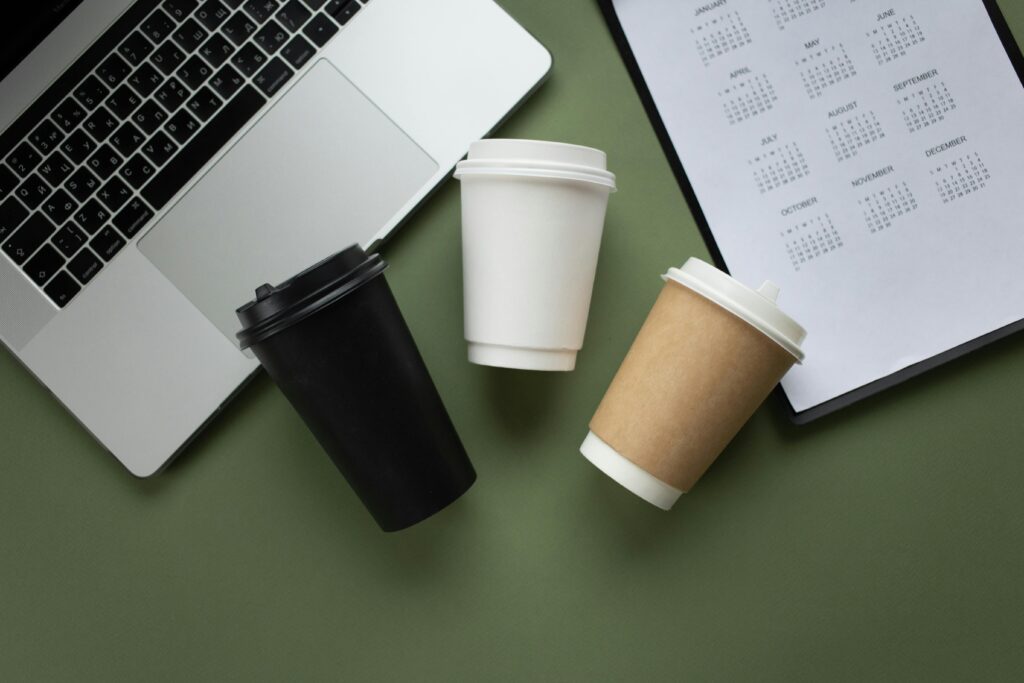
Disposable paper cups are widely used in food service, healthcare, education, and public facilities due to their convenience and hygiene. However, despite common assumptions, paper cups are not fully environmentally friendly. This article presents a balanced overview of the applications, benefits, and limitations of disposable paper cups in modern life.
1. Common Uses of Disposable Paper Cups
Disposable paper cups are primarily used for:
- Serving hot and cold beverages such as coffee, tea, and water
- Use in cafés, restaurants, offices, schools, and public spaces
Their single-use design helps reduce cross-contamination and ensures hygiene, especially in high-traffic environments.

2. Food and Takeaway Applications
Paper cups are also commonly used to package:
- Soup, porridge, noodles, and desserts
- Takeaway and delivery food items
To prevent leakage, most paper cups are coated with plastic-based liners, which improve functionality but reduce recyclability.

3. Events, Catering, and Branding
At events and catering services, disposable paper cups are valued for:
- Convenience and ease of disposal
- Reduced cleaning requirements
- Custom printing for branding and marketing purposes
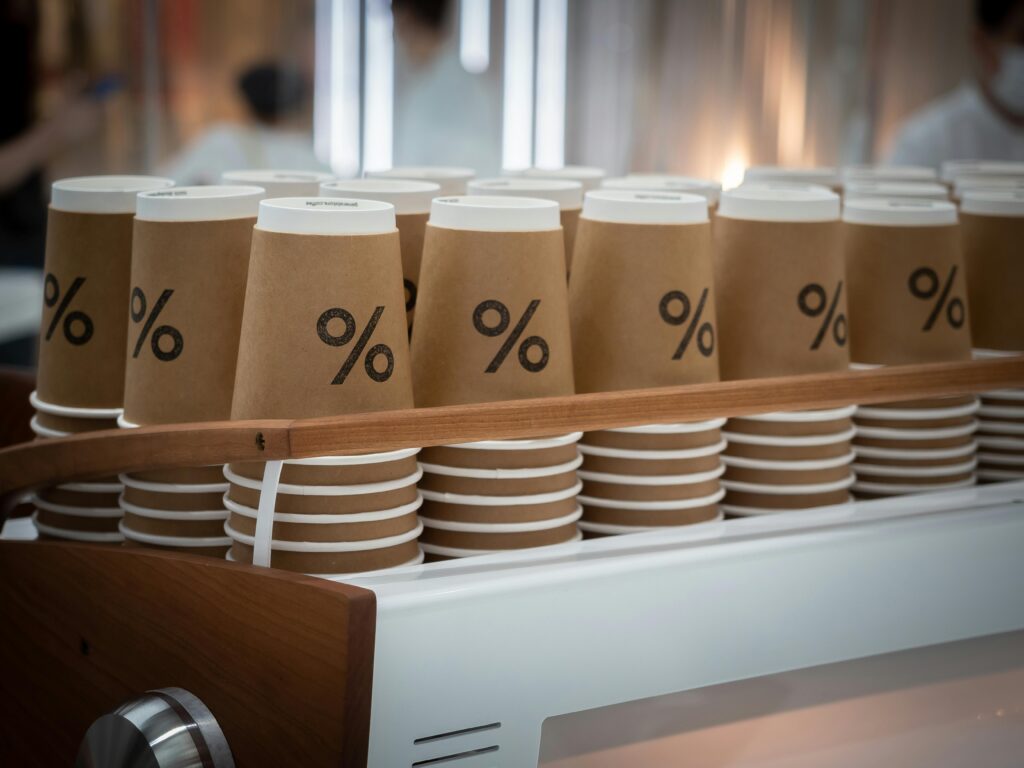
4. Use in Healthcare and Public Facilities
In healthcare settings, disposable paper cups are essential for:
- Serving drinking water and medication
- Minimizing the risk of cross-contamination
- Maintaining hygiene standards
They are also commonly found in airports, stations, and other public locations.
Environmental Considerations and Limitations
Although often perceived as eco-friendly, disposable paper cups present several environmental challenges:
- Most contain plastic coatings that complicate recycling
- They are not biodegradable under normal conditions
- Large-scale production consumes wood, water, and energy
As a result, disposable paper cups should be viewed as a functional alternative to plastic cups, rather than a truly sustainable solution.
Responsible Use and Alternatives
To reduce environmental impact, businesses and consumers can:
- Choose certified compostable paper cups where appropriate
- Ensure proper waste separation and disposal
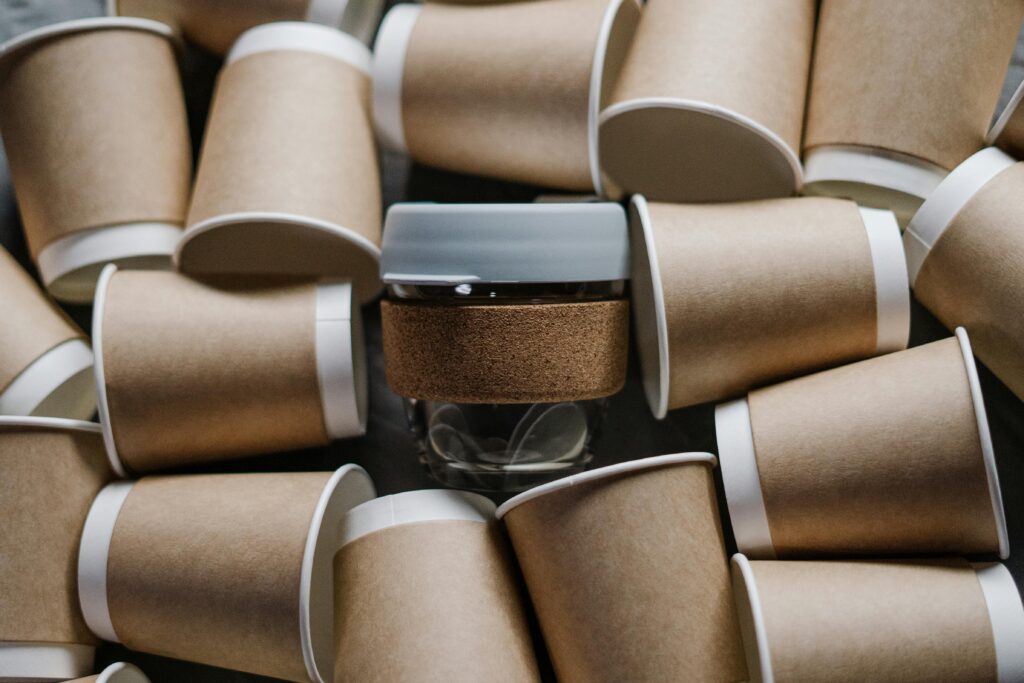
- Encourage reusable cups when possible
Conclusion
Disposable paper cups offer clear advantages in terms of hygiene, convenience, and versatility. However, they are not inherently environmentally friendly. Understanding both their benefits and limitations allows businesses and consumers to make more responsible and informed choices.
