
Key Highlights from New York State’s Waste Reduction Laws (Effective January 1, 2026)
The New York State Department of Environmental Conservation (DEC) has announced new waste reduction requirements that will take effect on January 1, 2026, further strengthening the State’s commitment to reducing plastic pollution and promoting sustainable alternatives.
Key updates include:
- Expansion of the polystyrene foam ban to include cold storage containers such as coolers and ice chests that are not fully encapsulated within a durable outer shell.
- Continued enforcement of the existing ban (since 2022) on polystyrene foam food service containers (cups, bowls, plates, trays) and foam packing peanuts across New York State (excluding New York City, which has its own regulations).
- Expanded restrictions on small plastic bottles used for personal care products in hospitality settings. From 2026, all hotels, motels, and similar accommodations with fewer than 50 rooms will be prohibited from providing plastic bottles under 12 ounces for items such as shampoo, conditioner, soap, and body wash.
These measures aim to reduce long-lasting plastic waste, prevent microplastic pollution, protect ecosystems, and encourage a shift toward reusable, recyclable, and compostable packaging solutions.
Opportunities for Eco-Friendly Disposable Products
The upcoming regulations create significant opportunities for sustainable, single-use alternatives, especially in food service, hospitality, and logistics sectors:
1. Biodegradable Food Containers
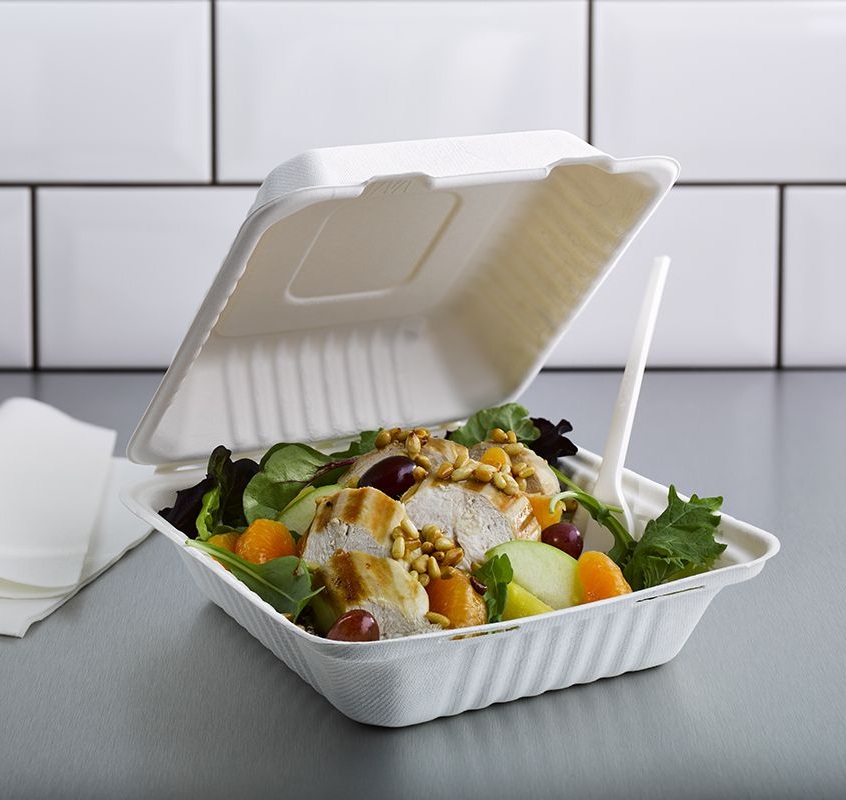
With the expanded ban on polystyrene foam, compostable containers made from sugarcane and paper are well-positioned as a compliant and environmentally responsible alternative. These products offer:
- Excellent performance for hot and cold food
- Compostability without generating microplastics
- Alignment with New York State’s waste reduction and climate goals
2. Wooden Disposable Cutlery

As food service providers transition away from plastic and foam, single-use wooden cutlery (forks, spoons, knives) presents a natural solution:
- Made from renewable resources
- Plastic-free and biodegradable
- Widely accepted by eco-conscious consumers and regulators
3. Hospitality & Institutional Adoption
Hotels, catering services, corporate cafeterias, and takeaway businesses will increasingly seek regulation-compliant packaging that supports sustainability commitments while maintaining functionality and cost efficiency.
Looking Ahead
New York State’s 2026 regulations signal a broader global shift toward responsible materials and circular economy practices. Businesses that proactively adopt compostable and plastic-free disposable products will not only stay ahead of regulatory requirements but also strengthen their sustainability credentials in an increasingly eco-conscious market.
