
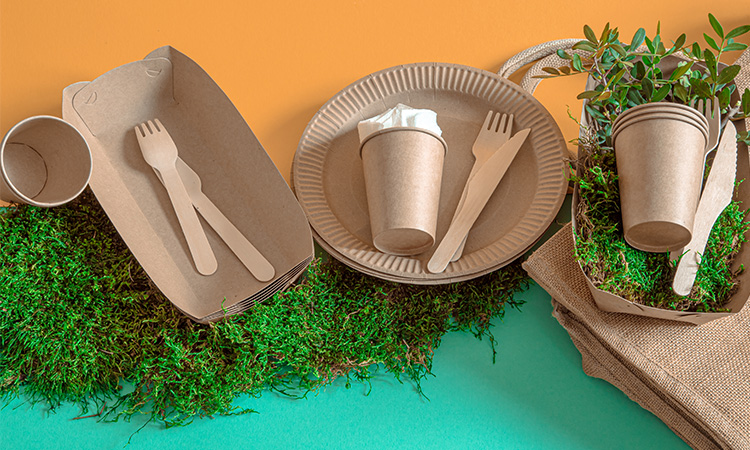
As the global push for sustainability grows stronger, the need for eco-friendly alternatives to traditional plastics has become urgent. In the disposable products industry, biodegradable materials are emerging as the key to reducing plastic waste and promoting a greener lifestyle. These materials not only help protect the planet but also maintain functionality and convenience for consumers and businesses alike.
01. Bioplastics – Modern Alternatives to Plastic
Bioplastics are derived from renewable resources such as corn, sugarcane, or plant fibers. They can decompose naturally under certain conditions, making them a preferred choice for eco-friendly disposable products.
PLA (Polylactic Acid): Made from corn starch or sugarcane, PLA is lightweight and compostable. It’s widely used for disposable cutlery, cups, food trays, and clear packaging in cafés and restaurants. Though not suitable for high heat, PLA provides a transparent, smooth finish similar to plastic.
PHA (Polyhydroxyalkanoates): Produced through microbial fermentation, PHA fully degrades even in marine environments. It’s ideal for food containers, straws, and compostable bags, offering durability and flexibility with minimal environmental impact.
Cornstarch-Based Plastics: These are affordable and easy to mold, often used for takeaway boxes, shopping bags, and disposable plates. They decompose into harmless natural compounds in composting conditions.
Cellulose-Based Plastics: Made from wood pulp or cotton, these are excellent for transparent films, food wraps, and biodegradable packaging. They combine flexibility with clarity and strength.
Coffee Ground Bioplastics: Created from used coffee grounds, these materials are durable and heat-resistant – perfect for coffee cups, lids, and takeaway utensils. They also give a second life to organic waste.
02. Natural Fibers and Agricultural Byproducts – Simple, Safe, and Sustainable

Using plant-based fibers and agricultural residues is another effective way to make biodegradable disposable products.
Wood: Responsibly sourced wood is shaped into spoons, forks, knives, and stirrers. These items are sturdy, fully biodegradable, and add a natural touch to eco-conscious dining.
Bamboo: Known for its rapid growth and strength, bamboo is ideal for straws, chopsticks, food trays, and boxes. It’s naturally antimicrobial and compostable, making it a premium choice for sustainable packaging.
Bagasse (Sugarcane Fiber): A byproduct of sugarcane processing, bagasse is heat-resistant, oil-proof, and compostable. It’s commonly used to make bagasse food boxes, plates, and bowls, replacing foam and plastic containers.
Palm Leaves: Fallen palm leaves are pressed into plates, trays, and serving bowls without chemicals. Each product is unique in color and texture, decomposing completely within weeks after disposal.
03. Paper and Cardboard – Timeless Yet Evolving
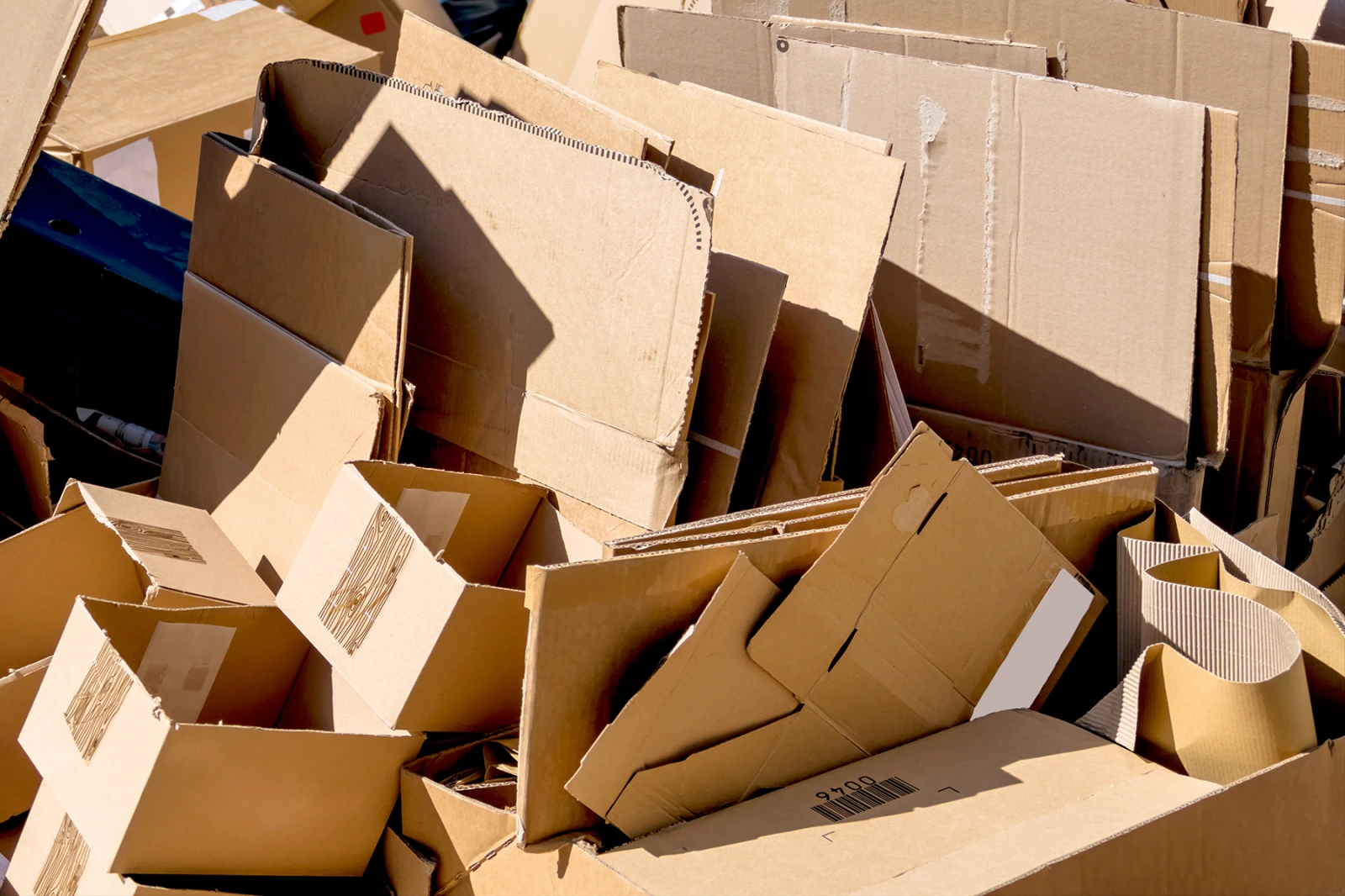
Paper remains a trusted biodegradable material for packaging, but modern versions are now even more sustainable.
Compostable paper and cardboard are coated with plant-based films instead of plastic, ensuring they break down safely after use. They’re widely used for coffee cups, food boxes, paper straws, and takeaway bags. These materials are renewable, recyclable, and easy to brand, making them ideal for businesses that want to align with eco-friendly values.
The innovation of biodegradable materials marks a new era for the disposable products industry. From bioplastics like PLA and PHA to natural fibers such as bamboo, bagasse, and paper, each material helps reduce plastic pollution while maintaining product quality.
As consumer awareness and environmental regulations continue to rise, developing sustainable materials is no longer a trend but a necessity. Choosing biodegradable alternatives today means taking a practical step toward a cleaner, greener, and more sustainable future for everyone.
