

Plastic pollution has emerged as a pressing global issue, threatening oceans, wildlife, and human health. Single-use plastics, including bags, straws, cutlery, and packaging, are particularly problematic due to their short lifespan and high environmental impact. To address this, countries around the world are implementing plastic ban policies, aiming to reduce waste, encourage sustainable alternatives, and promote a circular economy.
- Europe: Europe has taken a leading role in regulating single-use plastics. European Union (EU): Through the Single-Use Plastics Directive (SUPD), the EU prohibits items such as plastic cutlery, plates, straws, and cotton buds where alternatives are available. Member states are also required to meet ambitious recycling targets, such as collecting 90% of plastic bottles by 2029.
- England: Has adopted national measures aligned with EU directives, including bans on lightweight plastic bags and plans to expand restrictions to other single-use items.
- Asia-Pacific: In Asia-Pacific, countries are adopting ambitious bans and phased strategies:
- China: The National Sword policy (January 2018) banned the import of plastic waste and targets domestic reduction of single-use plastics, especially non-degradable bags and disposable packaging.
- Hong Kong: Plans to ban single-use plastics, including straws, cutlery, and containers, starting from April 22, 2024.
- India: Has introduced nationwide bans on several single-use plastic items, such as straws, cups, plates, and bags, reflecting a growing commitment to sustainable consumption.
- Vietnam: Plans to prohibit production and import of single-use plastics and non-biodegradable packaging by 2030.
- Africa & Middle East: Some African nations have enforced strict plastic bans:
- Kenya: Introduced one of the world’s toughest bans in 2017, with heavy fines and possible imprisonment for producing or using plastic bags.
- Rwanda: Banned plastic bags in 2008, achieving widespread compliance and maintaining clean urban environments.
- North America: North America shows a mix of federal, state, and local initiatives:
- United States: There is no nationwide ban on single-use plastics, but some states and cities have implemented their own measures. For example: San Francisco passed legislation restricting the sale of bottled water in certain commercial settings. California will ban thin plastic bags in supermarkets and retail stores starting September 22, 2024.
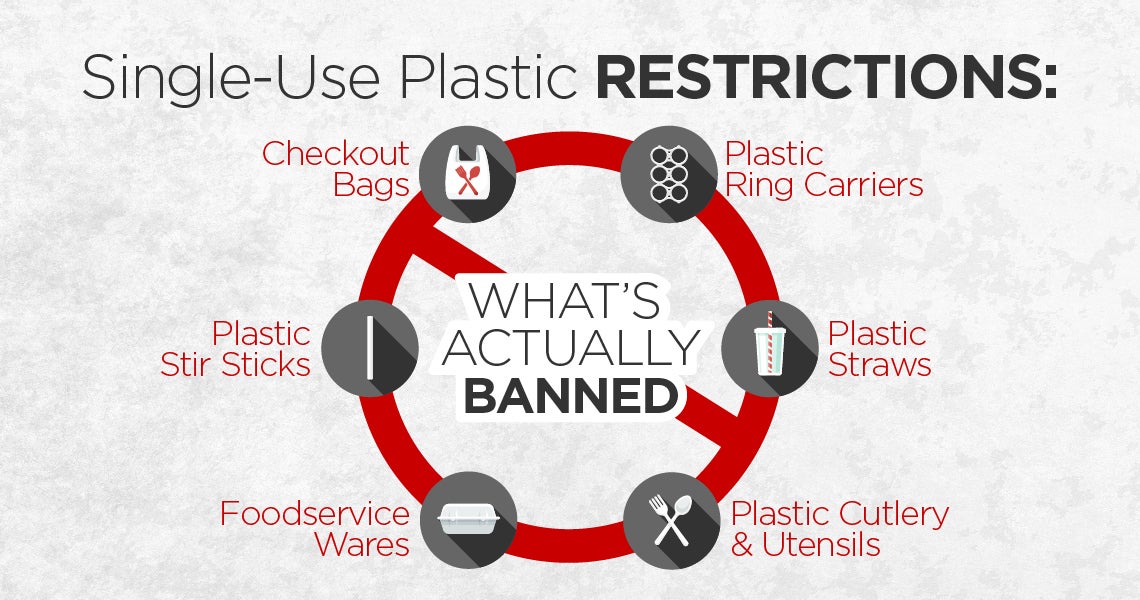
- Canada: The Single-Use Plastics Prohibition Regulations (SUPPR) prohibit the manufacture, import, and sale of six categories of single-use plastics, including checkout bags, cutlery, foodservice ware, ring carriers, stir sticks, and straws. This regulation is part of Canada’s broader plan to achieve zero plastic waste by 2030 and reduce greenhouse gas emissions.
Plastic bans are becoming an inevitable global trend. The focus is clear: reduce single-use plastics or develop alternative materials. This shift supports environmental protection, encourages sustainable innovation, and guides both businesses and consumers toward more responsible choices. Moving away from disposable plastics is no longer optional – it is essential for a cleaner, greener future.
